By Mohammed Abubakar
Professor Idris-Nda Abdullahi of the Department of Geology has called for immediate and coordinated action to protect and sustainably manage Nigeria’s groundwater resources.
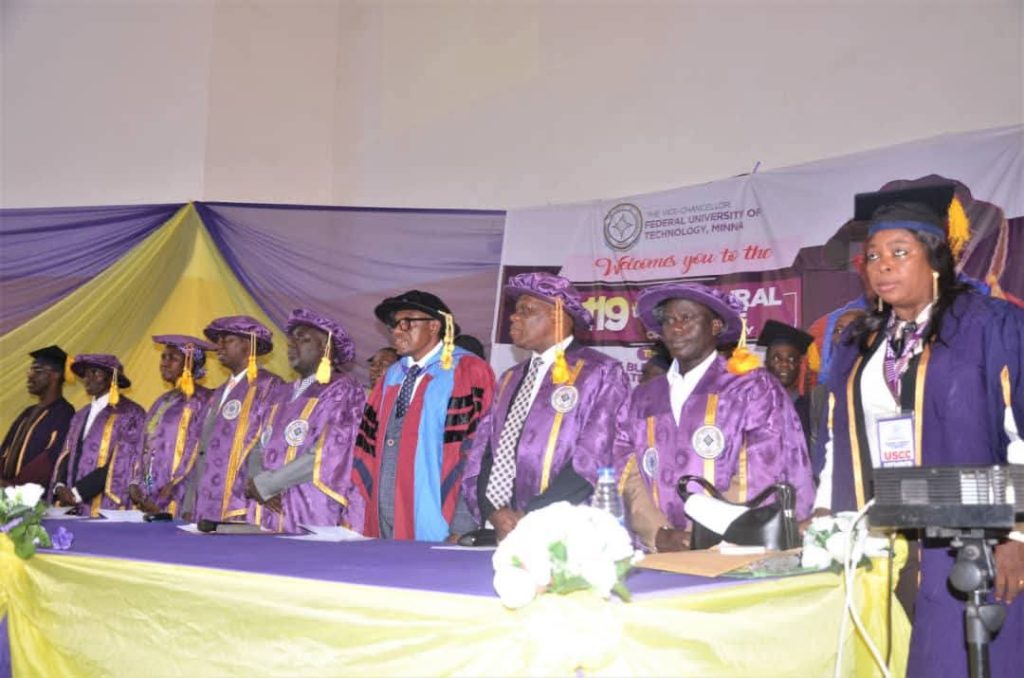
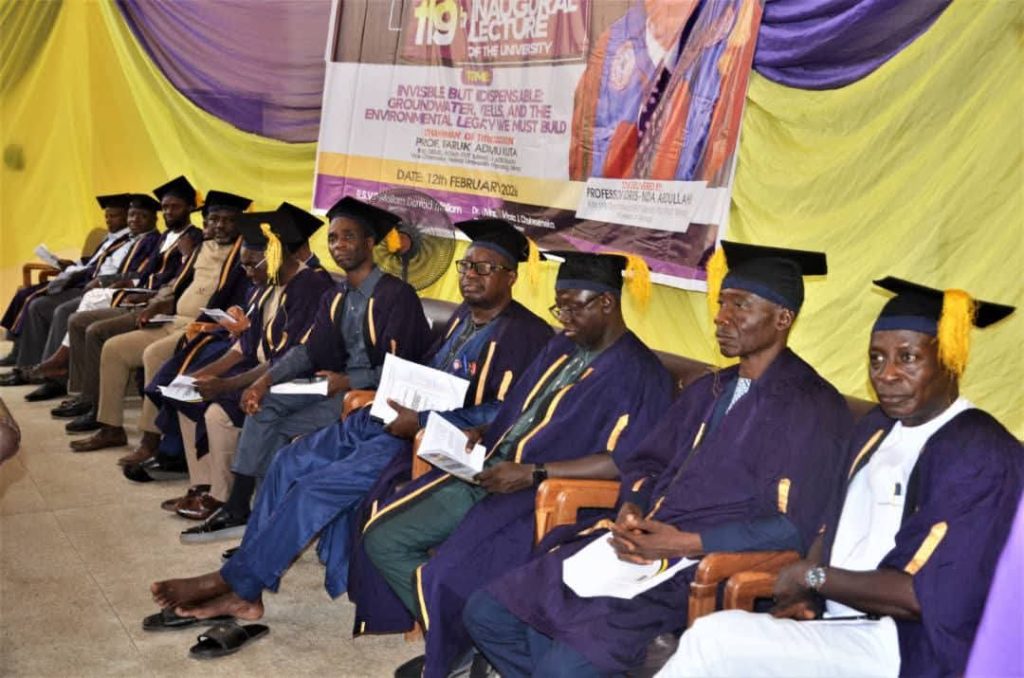
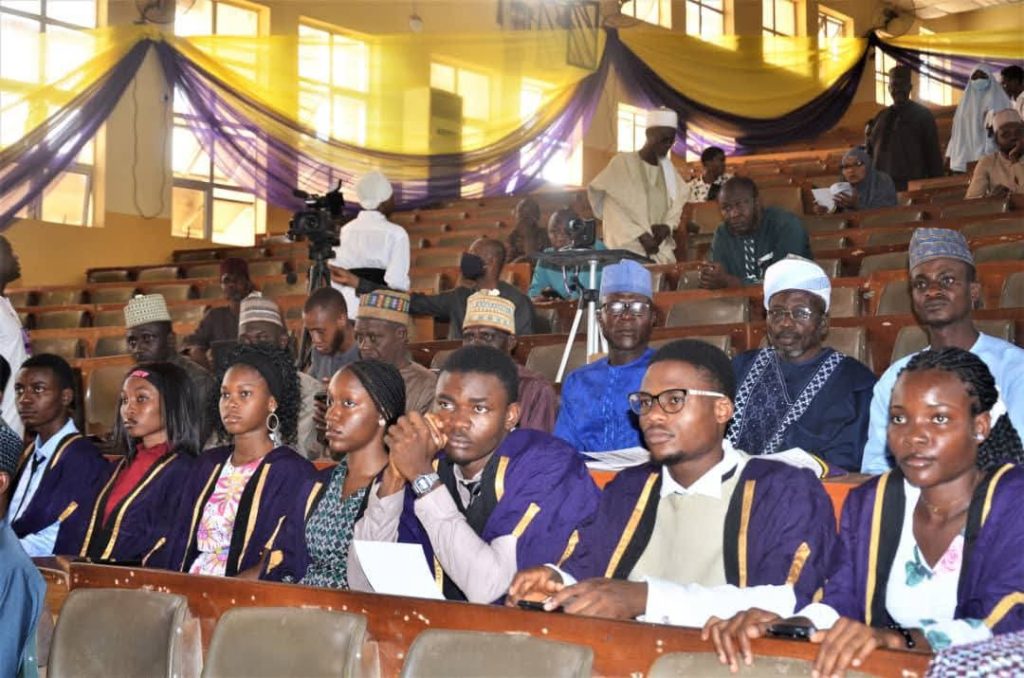
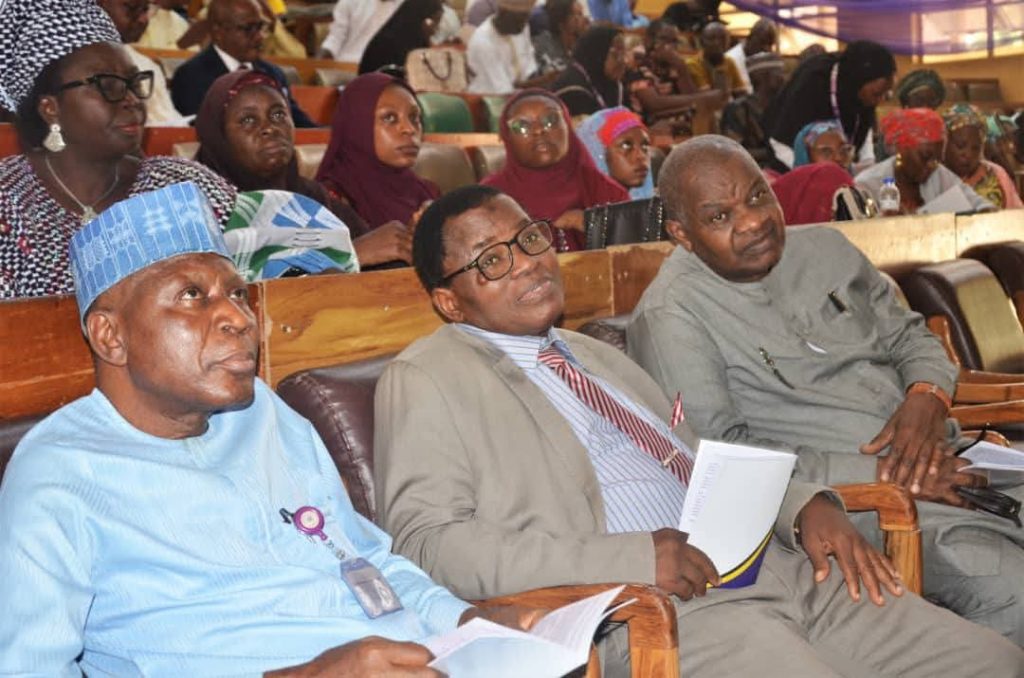
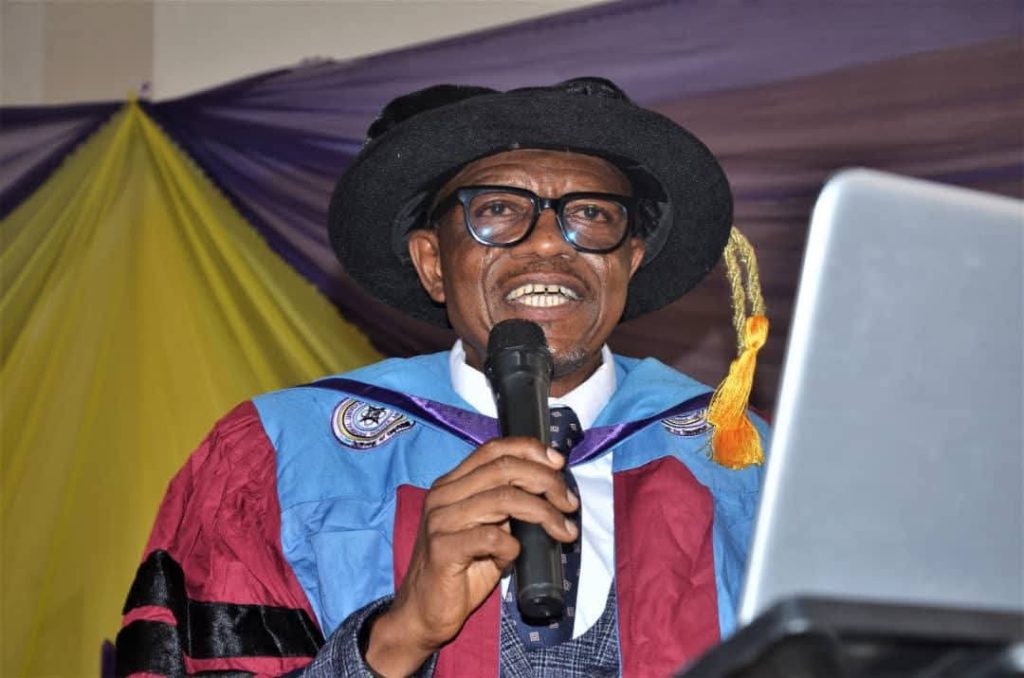
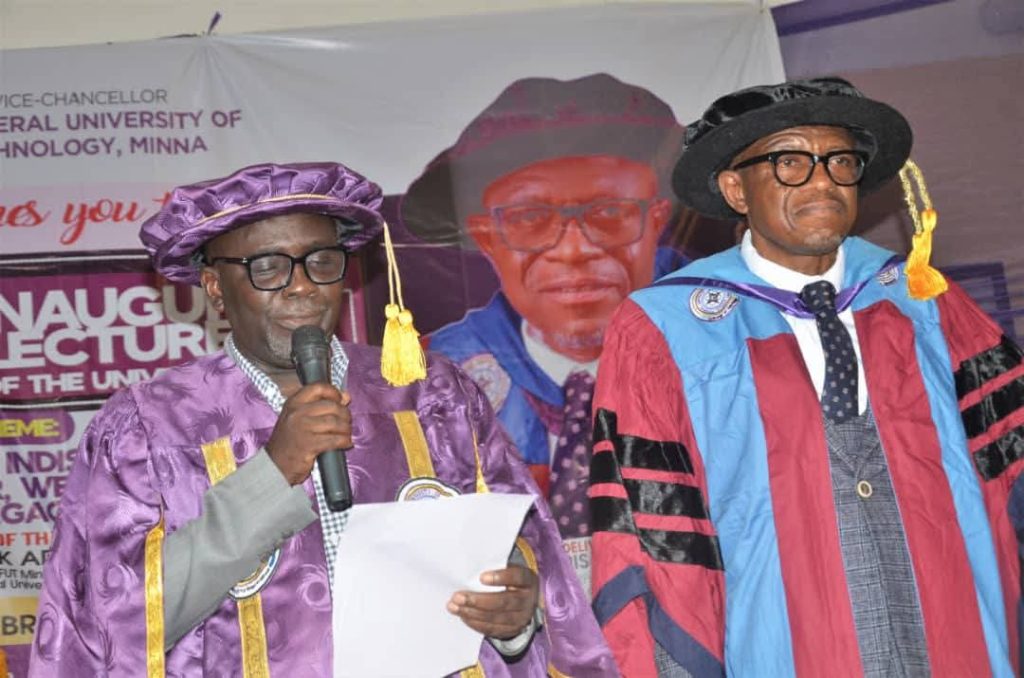
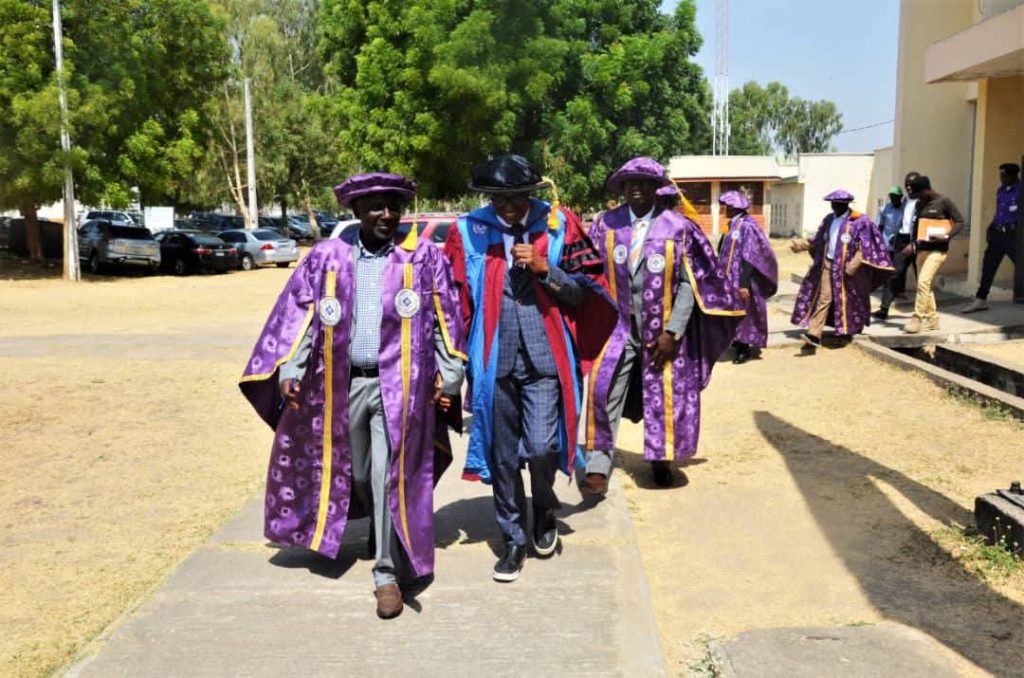
He made the appeal while delivering the 119th Inaugural Lecture of the Federal University of Technology (FUT), Minna, on Thursday, 12 February 2026, at the University Auditorium, Main Campus.
The lecture, titled “Invisible but Indispensable: Groundwater, Wells, and the Environmental Legacy We Must Build,” emphasised the vital role groundwater plays in supporting human life, ecosystems and economic development.
In his presentation, Prof. Abdullahi described groundwater as a hidden yet invaluable natural resource stored in aquifers beneath the Earth’s surface and replenished through rainfall infiltration. Although water covers more than 70 per cent of the planet, he explained, only a small fraction is freshwater, with groundwater constituting a significant share of the world’s accessible potable water.
Focusing on Nigeria, the inaugural lecturer noted that about 60 per cent of the population relies on groundwater as their primary source of drinking water. This includes approximately 73 per cent of rural dwellers and 45 per cent of urban residents. He added that several Nigerian cities depend almost entirely on groundwater systems, while in Minna, more than half of the population relies on boreholes and wells for domestic water supply.
Prof. Abdullahi warned that the country’s groundwater resources are increasingly under threat from declining water tables, pollution linked to industrial activities and poor sanitation, and saltwater intrusion in coastal areas.
According to him, excessive abstraction, climate change and rapid urbanisation are exerting growing pressure on already fragile aquifer systems.
Providing technical insights, the erudite scholar outlined modern groundwater exploration methods, best practices in well construction and the importance of hydrogeological expertise in ensuring sustainable water resource management. He also dispelled common misconceptions, clarifying that groundwater does not flow in underground rivers and that drilling deeper does not automatically guarantee higher water yield.
Beyond the scientific dimension, Prof. Abdullahi highlighted groundwater’s contribution to the achievement of several Sustainable Development Goals (SDGs), particularly those relating to poverty reduction, food security, public health, access to clean water and sustainable urban development. He stressed that responsible groundwater governance is fundamental to environmental protection, agricultural productivity and long term national resilience.
The Professor also examined Nigeria’s groundwater governance framework, referencing existing legislation, institutional mandates and the need for stronger collaboration among federal, state and local authorities. He observed that fragmented institutional arrangements and inadequate data systems have limited effective water resource planning and sustainability efforts.
To address these challenges, he proposed stricter enforcement of groundwater protection policies, proper licensing and regulation of borehole drilling activities, mandatory professional supervision by certified hydrogeologists, enhanced water quality monitoring and greater investment in climate-resilient infrastructure. He further advocated urban planning strategies that encourage groundwater recharge and minimise contamination risks.
Concluding his lecture, Prof. Abdullahi, who also serves as Director of the University’s Advancement and Development Office (ADO), urged policymakers, professionals and communities to recognise groundwater as a critical environmental legacy that must be preserved for future generations.
He emphasised that sustainable management will require institutional strengthening, reliable data systems, public awareness and coordinated multi-sectoral action.
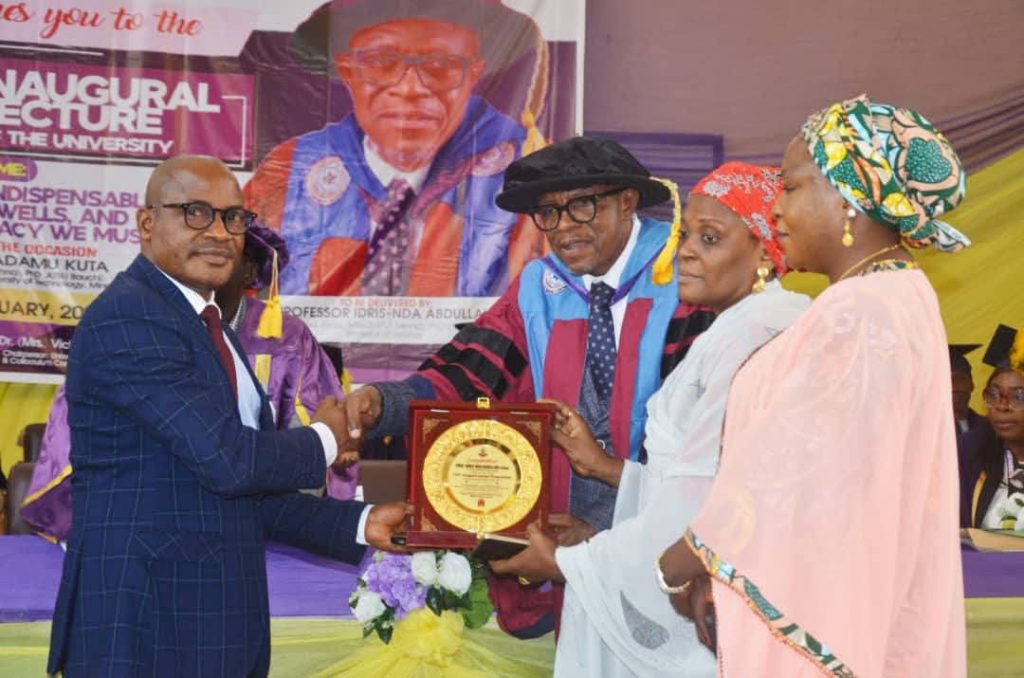
In his remarks, the Vice-Chancellor, Prof. Faruk Adamu Kuta, commended the lecturer for delivering a timely and impactful presentation on one of Nigeria’s most pressing environmental and developmental concerns. He described the lecture as intellectually stimulating and socially relevant, noting that it reflects the vital role of universities in generating research that informs public policy and promotes national development.
Photo Credit Elijah Yisa